InnerMovement Wellness Center

Auto accident & personal injury care in Glendale

After a car accident, symptoms often show up days later — and how quickly you’re evaluated matters both for your recovery and for your claim. We treat personal injury patients on a lien and coordinate directly with your attorney.

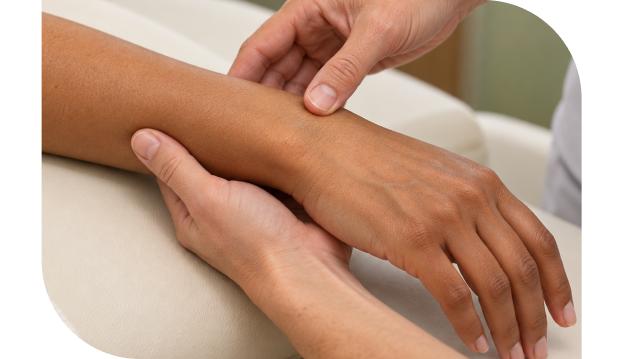
examining arm

Feel fine right now? Still get checked.

Whiplash and soft tissue injuries frequently surface a day or two after the collision, once the adrenaline wears off. Early documentation matters for your recovery and for your claim.

How to Get Care

1. Call us

Call us whether or not you have an attorney yet: (818) 549-1300

2. We coordinate

Our clinical team works with your attorney to confirm what’s covered.

3. Get treated

You pay nothing at the time of service.

4. Settled later

Treatment costs are addressed through your settlement.

Common Post-Accident Injuries

Whiplash & Neck Injuries

The neck absorbs a sudden back-and-forth motion, with stiffness peaking a day or two later.

Back Pain & Disc Injuries

Impact compresses the spine — pain may be immediate or build over the following week.

Headaches After Impact

Frequently originate in the neck rather than the head itself.

Shoulder & Seatbelt Injuries

The belt does its job, but the restraint itself can bruise or strain the shoulder and chest.

Knee & Dashboard Impact

Common in front-end collisions, with pain that only appears when weight-bearing resumes.

Delayed-Onset Stiffness

Soreness and reduced range of motion that arrives 24–72 hours after the accident.

Why symptoms show up late

At the scene of an accident, your body floods with adrenaline. It’s a useful response — it lets you get out of the car, exchange information, and handle the immediate situation. It also masks pain effectively enough that serious injuries can go unnoticed for hours.

Soft tissue injuries add a second delay. Inflammation from strained muscles and ligaments builds over roughly 24 to 72 hours, which is why so many people feel worse two days later than they did at the scene. Feeling fine immediately afterward is normal, and it isn’t a reliable sign that you weren’t hurt.

examining arm

How We Can Treat Your Pain

Medical Evaluation

Documents your injuries for the claim

Learn more →

Chiropractic Care

Whiplash and spinal injury care

Learn more →

Soft Tissue Therapy

Myofascial release, therapeutic massage, and injury recovery work.

Learn more →

Acupuncture

Pain management during recovery

Learn more →

Specialized Urgent Care

Same-day evaluation after accident

Learn more →

Wherever you are in the process

You don’t need everything sorted out before you call.

For Employees

You have rights in this process, including a say in where you’re treated in many cases. Call us and we’ll walk you through what applies to your situation.

For Employers

We work with businesses across Glendale and Pasadena on injury evaluation, treatment, and return-to-work documentation. See our Occupational Medicine page or call to set up an account.

Frequently Asked Questions

Do I pay anything upfront?

No. Personal injury patients are typically treated on a lien, which means treatment costs are addressed through your settlement rather than paid at the time of service. There’s no bill at each visit and no payment required to begin care. We’ll go over the specifics with you and your attorney before treatment starts, so you know exactly how it works.

How soon after an accident should I be seen?

As soon as you reasonably can — ideally within a few days. Prompt evaluation matters for your recovery, and it also creates the medical record your claim depends on. Long gaps between the accident and the first medical visit can complicate a case. If the accident was recent, call today.

What if I feel fine right now?

Feeling fine immediately after an accident is common and doesn’t mean you weren’t injured. Adrenaline masks pain at the scene, and soft tissue inflammation typically builds over the following 24 to 72 hours. Many people feel noticeably worse two days later. An evaluation now establishes a baseline, and if nothing’s wrong, that’s a good outcome too.

What if I don't have an attorney yet?

That’s fine — call us anyway. Getting evaluated doesn’t require legal representation first, and waiting to sort out an attorney can mean a delay in care that works against you both medically and in your claim. We’ll talk through your situation and explain your options.

What if the accident wasn't my fault?

That’s the most common scenario for lien-based treatment. When another party is responsible, treatment costs are generally pursued through their insurance as part of your claim. Your attorney handles the legal side; we handle the treatment and documentation. If you’re unsure how your situation works, call and we’ll explain what we can — though questions about liability and settlement belong with your attorney, not us.

Been in an Accident?

The sooner you’re evaluated, the better — for your recovery and for your claim.

doctor