InnerMovement Wellness Center

Sports injury treatment in Glendale

Whether you’re training for something, playing weekend league, or just trying to stay active, an injury that sidelines you is more than an inconvenience. We treat the injury and the reason it happened — because the second part is what keeps it from happening again.

sports injury

Two kinds of injury, two different fixes

Acute

Happened in a moment — a landing, a twist, a collision. You know exactly when it occurred, and treatment starts with settling the tissue down before rebuilding capacity.

Overuse

Built silently over weeks until the tissue couldn’t keep up. Treating the sore spot alone won’t hold — the training volume, mechanics, footwear, or imbalance that caused it has to be addressed too.

Common Sports Injuries

Sprains & Strains

Ligament or muscle injuries from a sudden twist, stretch, or landing.

Runner’s Knee 

Pain around or outside the kneecap that builds over a run and eases with rest.

Tennis & Golfer’s Elbow

Tenderness on the outside or inside of the elbow, aggravated by gripping.

Achilles & Plantar Fasciitis

Heel and tendon pain that’s often worst with the first steps of the morning.

Rotator Cuff Injuries

Shoulder pain with overhead or throwing motion, sometimes worse at night.

Hamstring & Groin Strains

Sudden pain during sprinting or a change of direction, prone to re-injury.

How We Can Treat Your Pain

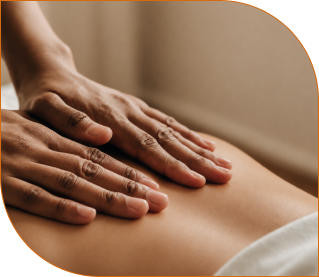
Soft Tissue Therapy

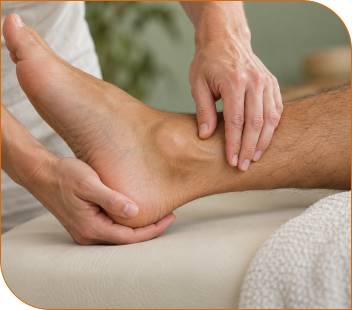
Myofascial release, therapeutic massage, and injury recovery work.

Learn more →

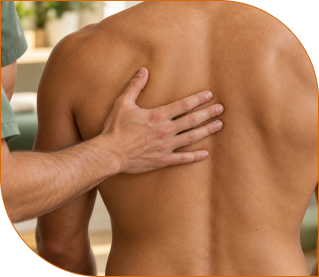
Chiropractic Care

Adjustments for spine, joints, and posture — including prenatal and pediatric care.

Learn more →

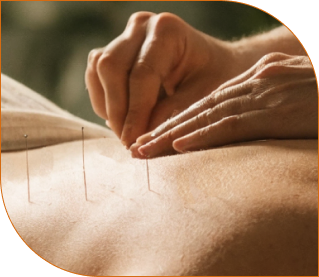
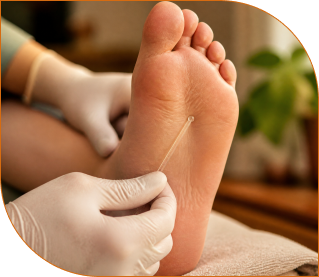
Acupuncture

Traditional Chinese medicine for pain, stress, and whole-body balance. Medicare accepted.

Learn more →

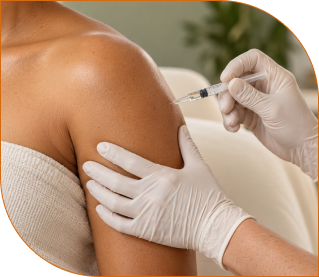
PRP Therapy

Non-surgical options for joint pain and stubborn soft tissue injuries.

Learn more →

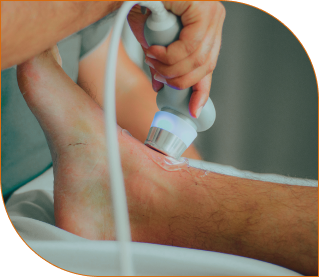
Shockwave Therapy

For chronic tendon pain that hasn’t responded to other care.

Learn more →

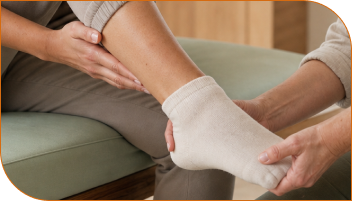
Custom Orthotics

Pain management and inflammation reduction.

Learn more →

Getting Back to Activity

Returning too early is the most common way a manageable injury becomes a recurring one. Pain settling down isn’t the same as tissue being ready for load, and the gap between those two things is where re-injury happens.

Your plan includes a realistic progression back to your sport — not just getting you out of pain, but rebuilding the capacity to handle what you’re asking of your body. We’d rather be honest about the timeline than tell you what you want to hear.

Frequently Asked Questions

Should I rest or keep moving?

It depends on the injury and how recent it is. Complete rest is rarely the answer beyond the first few days — prolonged inactivity tends to weaken tissue and stiffen joints, which slows recovery. Gentle movement within a pain-free range is usually more useful.

That said, some injuries genuinely need a period of protection, and continuing to load a damaged structure can turn a short problem into a long one. This is worth deciding with someone who’s examined you rather than following general advice.
Should I put ice or heat on my injury?

Ice is generally used in the first day or two after an acute injury to manage swelling and pain. Heat is more often used for ongoing muscle tightness and stiffness rather than fresh injuries. Both are comfort measures — neither substitutes for figuring out what’s actually wrong. If you’re unsure which applies, ask us.

What's the difference between a sprain and a strain?

A sprain involves a ligament — the tissue connecting bone to bone, like an ankle rolling. A strain involves a muscle or tendon, like a pulled hamstring. They can feel similar, but they heal differently and respond to different treatment, which is one reason a proper assessment matters.

How long until I can train again?

There’s no standard answer — it depends on what you injured, how badly, and what “training” means for your sport. Some athletes return to modified activity within days; others need weeks before loading the area at all.

What we can do is give you a realistic estimate after evaluating you, and stage your return so you’re building back rather than testing whether it hurts yet. If we’re not confident about a timeline, we’ll say so rather than guess.

Do you treat runners specifically?

Yes. Runners tend to present with a recognizable set of problems — runner’s knee, IT band syndrome, plantar fasciitis, Achilles pain, shin splints — most of them overuse injuries tied to training load, gait, or footwear. We look at all three, and custom orthotics are often part of the answer when foot mechanics are driving the issue.

Disclaimer

Individual results vary. This information is educational and is not a substitute for medical advice or diagnosis. PRP is not appropriate for all patients or conditions.

Start With an Evaluation

We assess the injury and the movement pattern behind it, then build a plan that gets you back to activity without setting up the next injury.

doctor